When it comes to our furry friends, their health is a top priority. Just like humans, dogs can suffer from various health issues, including hypertension, or high blood pressure. But can we really buy a
blood pressure monitor for our dogs? In this article, we'll explore everything you need to know about canine blood pressure monitoring, from why it matters to how to choose the right device. So, grab a comfy seat and let's dive in!
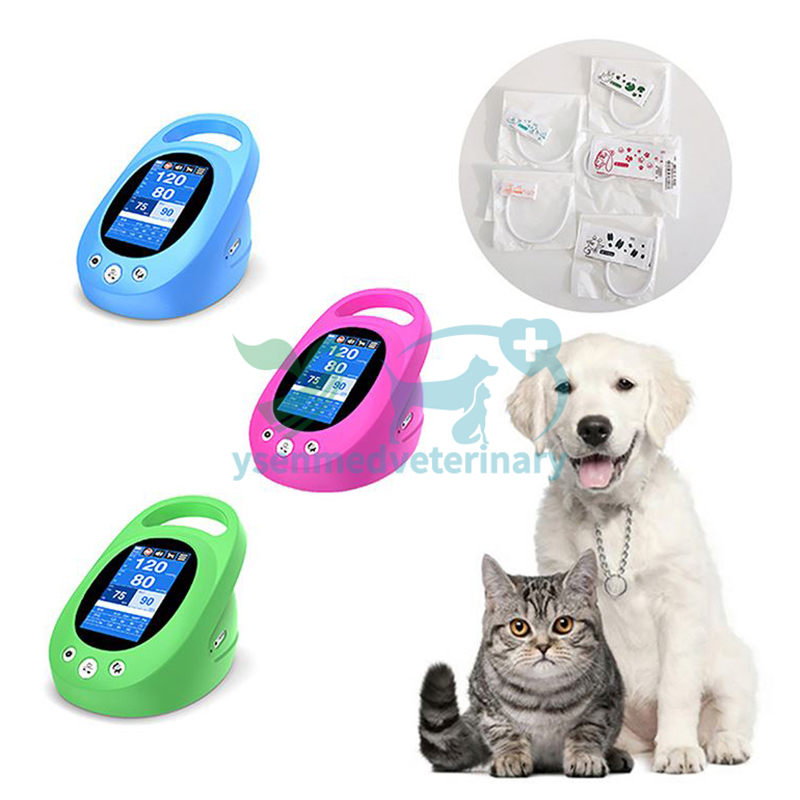
Understanding Canine Hypertension
What is Hypertension in Dogs?
Hypertension, or high blood pressure, occurs when the force of blood against the walls of the arteries is consistently too high. In dogs, this condition can lead to serious health problems, including heart disease, kidney failure, and even stroke. Sounds scary, right? But don't worry; with the right tools and knowledge, you can help manage your dog's health.
Why Do Dogs Get High Blood Pressure?
Just like us, dogs can experience high blood pressure due to various factors. Here are a few common culprits:
- Obesity: Extra weight puts more strain on the heart.
- Kidney Disease: This can disrupt the body's ability to regulate blood pressure.
- Hormonal Disorders: Conditions like Cushing's disease can lead to hypertension.
- Medications: Some medications can have side effects that increase blood pressure.
Signs of Hypertension in Dogs
So, how do you know if your dog has high blood pressure? While there are no obvious symptoms, some signs may indicate an issue:
- Lethargy: If your pup seems more tired than usual.
- Frequent Urination: An increase in bathroom breaks can be a red flag.
- Weight Loss: Unexplained weight loss can signal health problems.
- Vision Changes: If your dog seems to have trouble seeing, it could be related to hypertension.
If you notice any of these signs, it's time to consult your veterinarian.
The Importance of Monitoring Blood Pressure
Why Should You Monitor Your Dog's Blood Pressure?
Monitoring your dog's blood pressure is crucial for early detection and management of hypertension. Just like with humans, catching the problem early can make a significant difference in treatment outcomes. Regular monitoring can help you and your vet tailor a management plan that keeps your furry friend healthy and happy.
How Often Should You Monitor?
The frequency of monitoring depends on your dog's health status. If your dog has been diagnosed with hypertension, your vet may recommend regular checks—possibly every few weeks. For healthy dogs, an annual check-up might suffice. Always consult your veterinarian for personalized advice.
Can You Buy a Blood Pressure Monitor for Your Dog?
Yes, You Can!
Absolutely! You can buy a blood pressure monitor specifically designed for dogs. These devices are tailored to accommodate the unique physiology of canines, ensuring accurate readings. But before you rush out to buy one, let's discuss what to look for.
Types of Blood Pressure Monitors for Dogs
1. Oscillometric Monitors: These are the most common type and are user-friendly. They measure blood pressure by detecting oscillations in the arterial wall.
2. Doppler Monitors: These devices use ultrasound to measure blood flow and are often more accurate, especially in smaller dogs.
3. Sphygmomanometers: Similar to what your doctor uses, these require a bit more skill to operate but can provide reliable results.
Features to Consider
When choosing a blood pressure monitor for your dog, keep these features in mind:
- Size: Make sure the cuff size is appropriate for your dog's breed and size.
- Ease of Use: Look for a model that is simple to operate, especially if you're a first-time user.
- Portability: If you travel often, a portable model can be handy.
- Accuracy: Read reviews and check for certifications to ensure the device provides precise measurements.
How to Use a Blood Pressure Monitor on Your Dog
Preparing Your Dog
Before you start, make sure your dog is calm and relaxed. A stressed dog can have elevated blood pressure, leading to inaccurate readings. Here's how to set the stage:
- Choose a Quiet Space: Find a calm area free from distractions.
- Get Comfortable: Let your dog sit or lie down comfortably.
- Use Treats: Reward your dog with treats to create a positive association.
Step-by-Step Guide
1. Position the Cuff: Wrap the cuff around your dog's leg or tail, ensuring it's snug but not too tight.
2. Take the Reading: Follow the manufacturer's instructions to get a reading. Most devices will beep or signal when the measurement is complete.
3. Record the Results: Write down the readings, along with the date and time, to share with your vet.
Tips for Accurate Readings
- Avoid Exercise Beforehand: A little playtime before measuring can spike blood pressure.
- Measure at the Same Time: Consistency is key—try to take readings at the same time each day.
- Stay Calm: Your demeanor can affect your dog's stress levels. Stay relaxed!
When to Consult Your Veterinarian
Abnormal Readings
If you notice consistently high readings (above 160 mmHg), it's time to consult your vet. They may recommend further testing or a treatment plan tailored to your dog's needs.
Routine Check-Ups
Even if your dog's readings are normal, regular vet visits are essential. Your vet can provide insights and recommendations based on your dog's overall health.
Alternatives to Home Monitoring
Veterinary Clinics
If you're not comfortable monitoring at home, many veterinary clinics offer blood pressure monitoring services. They have specialized equipment and trained staff to ensure accurate results.
Mobile Vet Services
Some mobile vet services can come to your home, providing convenience and comfort for both you and your dog.
Conclusion
In conclusion, yes, you can buy a blood pressure monitor for your dog, and it can be a valuable tool in managing their health. Understanding canine hypertension, knowing how to monitor it, and recognizing when to seek veterinary help are all crucial steps in keeping your furry friend healthy. Remember, monitoring your dog's blood pressure is just one aspect of their overall care. Regular vet check-ups, a balanced diet, and plenty of exercise are essential for a happy, healthy pup. So, take charge of your dog's health today—because they deserve the best!