When it comes to our furry friends, we want to ensure they're as healthy as possible. Just like humans, dogs can face various health issues, and sometimes we need to monitor their vital signs. One tool that has gained popularity among pet owners is the canine pulse oximeter. But can you really use one on your dog? Let's dive into this topic and explore everything you need to know about canine pulse oximeters.
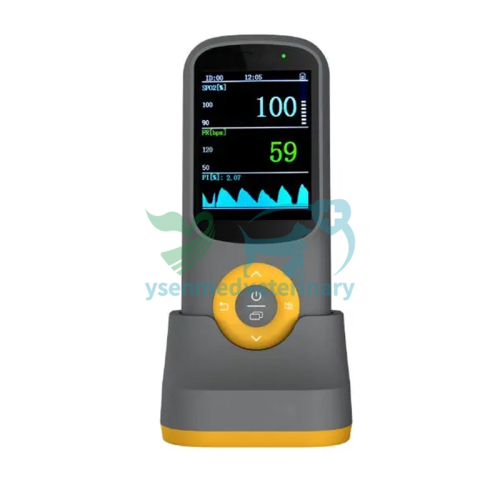
A canine pulse oximeter is a device that measures the oxygen saturation level in your dog's blood. It works by shining a light through the skin, typically on a paw or ear, to determine how much oxygen is being carried by the red blood cells. This non-invasive method is quick and can provide valuable insights into your pet's respiratory health.
Why is Monitoring Oxygen Levels Important?
Just like us, dogs need a certain level of oxygen to function properly. Low oxygen levels can indicate serious health issues such as respiratory problems, heart disease, or even shock. Monitoring these levels can help you catch potential problems early, allowing for timely veterinary intervention.
How Does a Canine Pulse Oximeter Work?
The technology behind pulse oximeters is quite fascinating! The device uses two wavelengths of light: one red and one infrared. When the light passes through the tissue, it measures how much light is absorbed by the blood. By analyzing the differences in absorption, the device calculates the percentage of oxygenated hemoglobin in the blood.
Key Features of a Canine Pulse Oximeter
- Non-Invasive: No needles or painful procedures required!
- Quick Results: Most devices provide readings in just a few seconds.
- Portable: Many models are small and easy to carry, making them perfect for home use or travel.
Can I Use a Human Pulse Oximeter on My Dog?
This is a common question among pet owners. While human pulse oximeters can provide some information, they are not designed for dogs. The anatomy of a dog is different from that of a human, and the readings may not be accurate. Additionally, dog fur can interfere with the device's ability to read oxygen levels effectively.
Differences Between Human and Canine Pulse Oximeters
- Size and Fit: Canine pulse oximeters are designed to fit the unique shape and size of a dog's paw or ear.
- Calibration: Canine models are calibrated specifically for dog physiology, ensuring more accurate readings.
- Sensitivity: Dogs may have different oxygen saturation ranges compared to humans, making canine-specific devices more reliable.
Choosing the Right Canine Pulse Oximeter
If you're considering purchasing a pulse oximeter for your dog, here are some factors to keep in mind:
1. Accuracy
Look for a device that is known for its accuracy. Reading reviews and testimonials can help you gauge how reliable a particular model is.
2. Ease of Use
Choose a model that is user-friendly. You shouldn't have to struggle to get a reading. Many devices come with simple instructions and easy-to-read displays.
3. Size
Make sure the pulse oximeter is suitable for your dog's size. Some models are designed for small breeds, while others cater to larger dogs.
4. Price
While you don't want to skimp on quality, there are various price points available. Set a budget and look for the best options within that range.
How to Use a Canine Pulse Oximeter
Using a canine pulse oximeter is straightforward. Here's a step-by-step guide to help you through the process:
Step 1: Prepare Your Dog
Make sure your dog is calm and relaxed. If they're anxious or moving around, it may affect the reading. You might want to have someone help you hold your dog still.
Step 2: Choose the Right Location
Select a site on your dog's body where the pulse oximeter can easily attach. Common locations include the paw, ear, or even the tongue.
Step 3: Attach the Device
Gently place the pulse oximeter on the chosen site. Ensure that it fits snugly but not too tightly. The device should have a clear view of the skin.
Step 4: Wait for the Reading
Most devices will take only a few seconds to provide a reading. Keep an eye on the display for the oxygen saturation level and pulse rate.
Step 5: Record Your Findings
It's a good idea to keep track of your dog's readings over time. This can help you spot trends and provide valuable information to your veterinarian.
Interpreting the Results
When you get the reading from your canine pulse oximeter, it's essential to understand what it means:
Normal Oxygen Levels
For dogs, a normal oxygen saturation level typically ranges from 95% to 100%. If your dog's reading falls within this range, they are likely getting enough oxygen.
Low Oxygen Levels
If the reading is below 90%, it may indicate that your dog is experiencing hypoxemia (low blood oxygen levels). This could be a sign of a serious health issue, and you should contact your veterinarian immediately.
Common Reasons for Low Oxygen Levels in Dogs
Understanding why your dog may have low oxygen levels is crucial. Here are some common causes:
- Respiratory Conditions: Issues like pneumonia or bronchitis can hinder oxygen absorption.
- Heart Problems: Heart disease can affect blood flow and oxygen delivery.
- Anemia: A decrease in red blood cells can lead to lower oxygen levels.
- Obesity: Excess weight can place additional strain on a dog's respiratory system.
When to Consult a Veterinarian
If you notice any abnormal readings or if your dog exhibits symptoms such as difficulty breathing, lethargy, or a bluish tint to the gums, it's essential to seek veterinary care. Early intervention can make a significant difference in your dog's health.
The Importance of Regular Monitoring
Regularly checking your dog's oxygen levels can be beneficial, especially if they have pre-existing health conditions. It's like having a health check-up at home! Keeping an eye on their vitals can help you catch any changes early and ensure they receive the care they need.
Conclusion: A Valuable Tool for Pet Owners
In conclusion, using a canine pulse oximeter can be a great way to monitor your dog's health, especially if they have specific medical conditions. While it's not a substitute for professional veterinary care, it can provide valuable insights and peace of mind. Remember to choose the right device, use it correctly, and consult with your veterinarian if you have any concerns. Your furry friend deserves the best care, and being proactive about their health is one of the best things you can do as a pet owner.