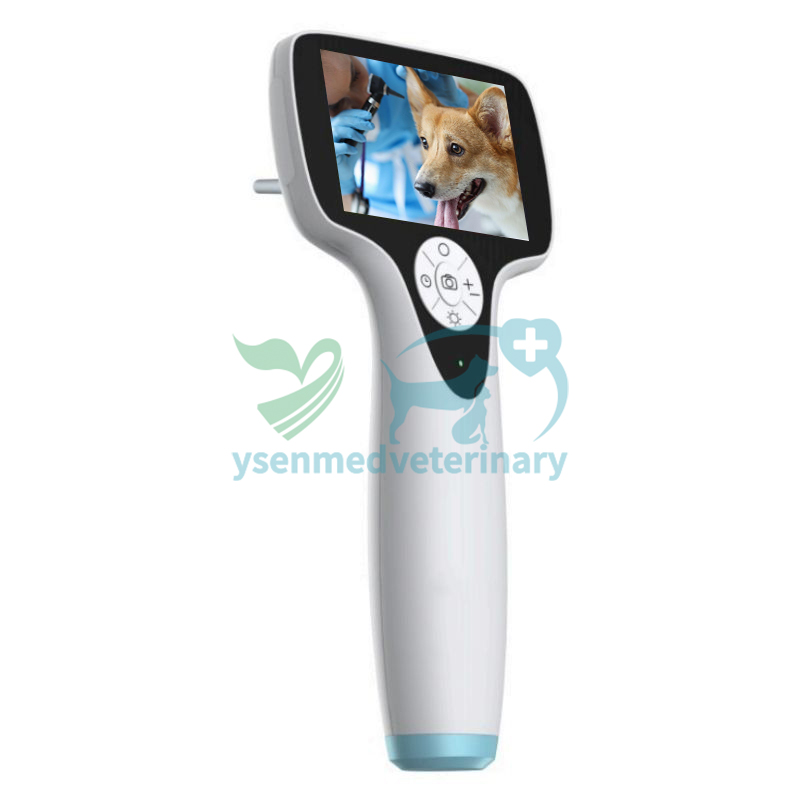
Sterilizing a veterinary otoscope is crucial for ensuring the health and safety of both pets and their owners. As a veterinarian or a vet tech, you want to make sure that the tools you use are not only effective but also hygienic. In this article, we'll dive deep into the process of sterilizing a veterinary otoscope, covering everything from why it's important to the step-by-step methods you can use. So, grab your favorite beverage, and let's get started!
Why Sterilization Matters in Veterinary Practice
Before we jump into the nitty-gritty of sterilization, let's talk about why it's so important. Just like you wouldn't want to use a dirty spoon to eat your soup, using a contaminated otoscope can lead to infections and complications in animals. Here are a few reasons why sterilization should be a priority:
- Prevent Infections: Bacteria and viruses can easily spread from one animal to another through contaminated tools.
- Client Trust: Pet owners are more likely to trust a practice that prioritizes cleanliness and safety.
- Legal Compliance: Many regions have regulations that require veterinary practices to maintain high standards of hygiene.
Understanding the Veterinary Otoscope
A veterinary otoscope is a specialized tool used to examine the ears of animals. It consists of a light source, a magnifying lens, and various attachments to suit different species. Understanding how your otoscope works will help you appreciate the importance of keeping it clean.
Anatomy of an Otoscope
- Light Source: Provides illumination for better visibility.
- Lens: Magnifies the ear canal for detailed examination.
- Speculum: The attachment that goes into the ear canal, available in various sizes.
Types of Contamination
Before you can effectively sterilize your otoscope, it's essential to understand the types of contamination that can occur:
1. Biological Contamination: This includes bacteria, viruses, and fungi that can be transferred between animals.
2. Chemical Contamination: Residues from cleaning agents or disinfectants that can harm the animal or affect the tool's function.
3. Physical Contamination: Debris such as earwax or foreign objects that can block the otoscope.
Step-by-Step Guide to Sterilizing a Veterinary Otoscope
Now that we've covered the basics, let's get into the actual process of sterilization. Here's a simple, step-by-step guide to ensure your otoscope is squeaky clean.
Step 1: Gather Your Supplies
Before you start, make sure you have everything you need:
- Mild detergent
- Disinfectant solution (approved for veterinary use)
- Soft cloths or paper towels
- Sterilization equipment (autoclave or ultrasonic cleaner)
- Gloves and face mask
Step 2: Disassemble the Otoscope
Carefully disassemble your otoscope. Remove the speculum and any other detachable parts. This step is crucial because it allows you to clean every nook and cranny effectively.
Step 3: Clean with Detergent
Using a mild detergent and warm water, clean all parts of the otoscope. Pay special attention to the speculum, as it often collects the most debris. Use a soft cloth or sponge to avoid scratching the surfaces.
Step 4: Rinse Thoroughly
After cleaning, rinse all parts under running water to remove any detergent residue. This step is vital because leftover soap can interfere with the disinfectant.
Step 5: Disinfect the Components
Now it's time to disinfect. Submerge the cleaned parts in an approved disinfectant solution. Follow the manufacturer's instructions for dilution and contact time. Generally, you'll want to let them soak for at least 10-15 minutes.
Step 6: Rinse Again
Once the disinfection time is up, rinse all parts again under running water. This step ensures that no harmful chemicals remain on the otoscope.
Step 7: Dry Completely
Use a clean, dry cloth or paper towel to dry all components thoroughly. Moisture can harbor bacteria, so make sure everything is completely dry before moving on.
Step 8: Sterilization
Depending on your facility's protocols, you may want to sterilize the otoscope using an autoclave or an ultrasonic cleaner. If using an autoclave, follow the manufacturer's guidelines for temperature and time.
Step 9: Reassemble the Otoscope
Once everything is sterilized and dried, carefully reassemble your otoscope. Ensure that all parts fit snugly and securely.
Step 10: Store Properly
Finally, store your otoscope in a clean, dry place. Consider using a protective case to prevent contamination before the next use.
Tips for Maintaining Cleanliness
Regular Cleaning Schedule
Establish a regular cleaning schedule for your otoscope. The more frequently you clean it, the less buildup you'll have to deal with.
Use Disposable Specula
Consider using disposable specula for each examination. This reduces the risk of cross-contamination significantly.
Educate Your Team
Make sure that everyone in your practice understands the importance of sterilization and follows the same procedures. Consistency is key!
Common Mistakes to Avoid
Skipping Steps
It might be tempting to skip steps if you're in a hurry, but doing so can compromise the sterility of your equipment. Always follow the full process.
Using Harsh Chemicals
Avoid using harsh chemicals that could damage your otoscope. Stick to veterinary-approved disinfectants.
Ignoring Storage Conditions
Improper storage can lead to contamination. Always store your otoscope in a clean, designated area.
Conclusion
Sterilizing a veterinary otoscope is a straightforward yet vital process that ensures the safety of your patients and the integrity of your practice. By following the steps outlined above and maintaining a consistent cleaning routine, you can minimize the risk of infection and build trust with pet owners. Remember, a clean otoscope is not just a tool; it's a commitment to providing the best care possible. So, next time you reach for your otoscope, you can do so with confidence, knowing that you've taken the necessary steps to keep it clean and safe. Happy examining!
FAQ
What is the best way to clean a veterinary otoscope?
The best way to clean a veterinary otoscope involves several steps. Start by disassembling the otoscope and cleaning all parts with a mild detergent and warm water. Rinse thoroughly to remove any soap residue, then disinfect the components using a veterinary-approved disinfectant solution. After soaking for the recommended time, rinse again, dry completely, and store properly. Regular cleaning after each use is essential to maintain hygiene.
How often should I sterilize my veterinary otoscope?
You should sterilize your veterinary otoscope after every use, especially if it has come into contact with an animal's ear. This practice helps prevent cross-contamination and the spread of infections. Additionally, establish a routine cleaning schedule to ensure that the otoscope remains in optimal condition and is always ready for safe use.
Why is using a disposable speculum beneficial?
Using a disposable speculum for each examination is beneficial because it significantly reduces the risk of cross-contamination between patients. Since ear infections and other conditions can be contagious, employing a new, sterile speculum for each animal ensures that you provide the highest level of care and hygiene. This practice not only protects the animals but also enhances the trust pet owners place in your veterinary practice.