If you're a pet owner or a veterinary professional, you might have come across the term "otoscope." This nifty little tool is essential for examining the ears of our furry friends, helping to diagnose various conditions. But how exactly do you use a veterinary otoscope? Let's dive into the details, step by step, and equip you with all the knowledge you need.
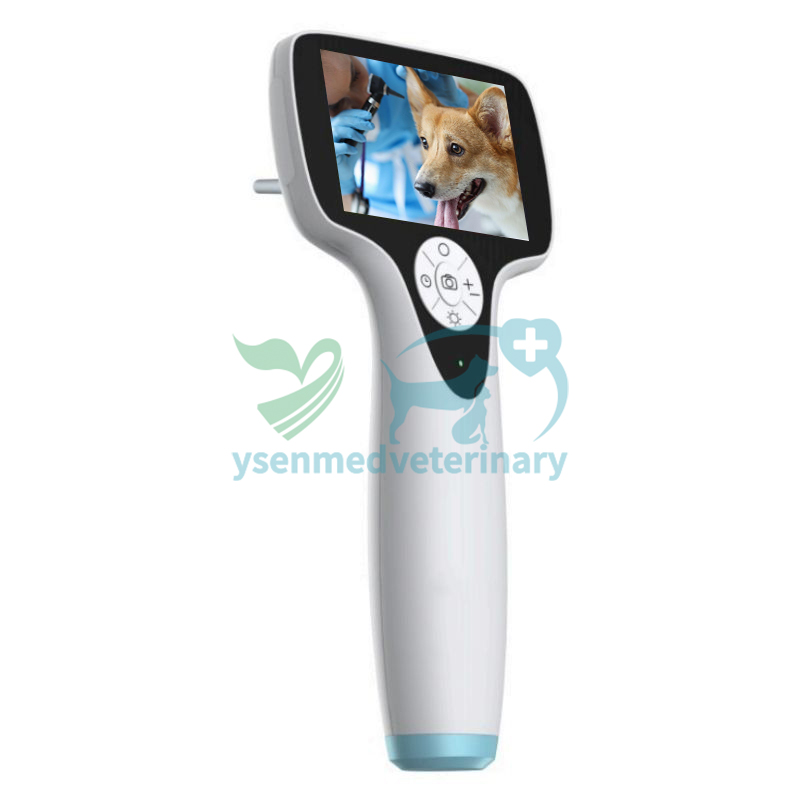
Before we get into the nitty-gritty of using an otoscope, let's clarify what it is. A veterinary otoscope is a specialized device designed to examine the ear canal and eardrum of animals. It typically consists of a light source, a magnifying lens, and various attachments to suit different animal sizes and ear shapes.
Why is an Otoscope Important?
Using an otoscope is crucial for diagnosing ear infections, foreign bodies, tumors, and other ear-related issues in pets. Just like how we wouldn't ignore a persistent earache, our pets deserve the same attention.
Types of Veterinary Otoscopes
Understanding the different types of otoscopes can help you choose the right one for your needs:
1. Manual Otoscopes: These are traditional, handheld devices that require a bit of skill to use.
2. Digital Otoscopes: These modern tools come with a camera, allowing you to capture images and videos for better diagnosis.
3. Pediatric Otoscopes: Designed for smaller animals, such as puppies and kittens, these otoscopes have smaller attachments.
Choosing the Right Otoscope
When selecting an otoscope, consider the size of the animals you'll be examining and the features you need. For instance, if you work primarily with small breeds, a pediatric otoscope might be your best bet.
Preparing for the Examination
Before you start examining your pet's ears, preparation is key. Here's how to get ready:
Gather Your Supplies
Make sure you have everything you need:
- Otoscope: Of course!
- Ear cleaner: To clear debris if necessary.
- Cotton balls or gauze: For cleaning and drying.
- Towels: To keep your workspace clean.
Create a Calm Environment
Pets can be anxious, especially during examinations. Make sure the space is quiet and comfortable. Have treats on hand to reward your furry friend for their cooperation!
Step-by-Step Guide to Using a Veterinary Otoscope
Now, let's get into the actual process of using the otoscope.
Step 1: Position Your Pet
Start by gently positioning your pet. If you're examining a dog, have them sit or lie down. For cats, you might need an extra pair of hands to keep them still.
Step 2: Examine the Outer Ear
Before inserting the otoscope, take a good look at the outer ear. Check for:
- Redness
- Swelling
- Discharge
- Unpleasant odors
These signs can indicate underlying issues.
Step 3: Choose the Right Speculum
Select a speculum that fits comfortably in your pet's ear. It should be snug but not too tight. A good rule of thumb is to use a smaller speculum for smaller animals.
Step 4: Insert the Otoscope
Gently insert the otoscope into the ear canal. Angle it slightly so you can see the ear canal walls. Avoid pushing too hard; you don't want to cause discomfort or injury.
Step 5: Illuminate and Inspect
Turn on the light and look through the lens. You should be able to see:
- The ear canal
- The eardrum (tympanic membrane)
Take your time here—this is where you'll spot any abnormalities.
Step 6: Document Your Findings
If you notice anything unusual, take notes or capture images if you're using a digital otoscope. This documentation will help in diagnosing and discussing treatment options.
Common Issues to Look For
When using an otoscope, here are some common issues you might encounter:
Ear Infections
Look for redness, swelling, or discharge. Ear infections can be painful and require prompt treatment.
Foreign Bodies
Sometimes, pets get curious and stick things in their ears. If you see something unusual, it might need to be removed by a vet.
Tumors or Polyps
Abnormal growths can occur in the ear canal. If you spot anything suspicious, it's best to consult a veterinarian.
Tips for Successful Otoscopic Examinations
To make your examination process smoother, keep these tips in mind:
Stay Calm
Your pet can sense your emotions. If you're calm, they're more likely to relax during the examination.
Use Treats as Incentives
Reward your pet with treats for their cooperation. This will help them associate ear examinations with positive experiences.
Practice Makes Perfect
If you're new to using an otoscope, practice on a willing pet or a stuffed animal. Familiarity will boost your confidence!
When to Seek Professional Help
While using an otoscope can help you identify some issues, there are times when you should seek professional help:
- Severe Symptoms: If your pet shows signs of severe pain, persistent discharge, or swelling.
- Inability to Remove Foreign Objects: If you suspect a foreign body is stuck and can't remove it safely.
- Recurring Problems: If your pet experiences frequent ear infections or issues.
Conclusion
Using a veterinary otoscope can seem daunting at first, but with practice and patience, it becomes an invaluable tool for ensuring your pet's health. By following the steps outlined in this guide, you'll be well on your way to conducting thorough ear examinations. Remember, your pet relies on you to keep them healthy, so don't hesitate to seek professional help when needed. Happy examining!
FAQ
What is an otoscope and how does it work?
An otoscope is a medical instrument used to examine the ear canal and eardrum of animals. It consists of a light source and a magnifying lens, allowing the veterinarian or pet owner to see inside the ear. By illuminating the ear canal, the otoscope helps identify issues like infections, blockages, or abnormalities in the ear structure.
Is it safe to use an otoscope on my pet at home?
Using an otoscope at home can be safe if you are knowledgeable about the procedure and your pet's anatomy. However, it's essential to be gentle and avoid inserting the otoscope too deeply into the ear canal. If you're unsure or if your pet shows signs of discomfort, it's best to consult a veterinarian.
What should I do if I find something unusual in my pet's ear?
If you notice anything unusual, such as a foreign object, excessive wax buildup, or signs of infection, it's important to seek veterinary care. A professional can provide a proper diagnosis and treatment plan, ensuring your pet receives the appropriate care for their condition.