When it comes to the health of our furry companions, every pet owner wants the best. Imagine being able to quickly assess your pet's health with just a small sample of blood. Sounds futuristic, right? Well, welcome to the world of advanced
blood gas electrolyte analyzers! These nifty devices are revolutionizing veterinary medicine, making it easier than ever to keep our pets healthy and happy. Let's dive into how these tools are changing the game for animal health.
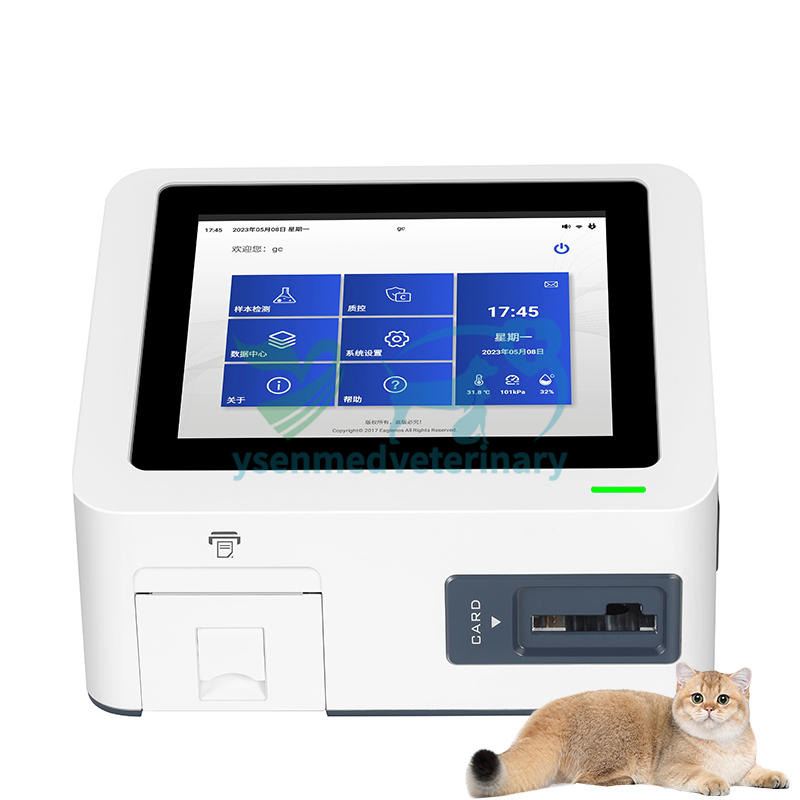
What Are Blood Gas Electrolyte Analyzers?
Blood gas electrolyte analyzers are diagnostic machines that measure various parameters in a blood sample. They help veterinarians assess the acid-base balance, oxygen levels, carbon dioxide levels, and electrolyte concentrations in animals. These measurements are crucial for diagnosing a range of conditions, from respiratory issues to kidney disease.
Why Are They Important for Animal Health?
Just like in humans, the balance of gases and electrolytes in an animal's body is vital for its overall health. Any imbalance can lead to serious health issues. With these analyzers, vets can quickly identify problems and start treatment sooner. Think of it as having a health check-up for your pet that's quick, accurate, and informative.
The Technology Behind the Analyzers
How Do They Work?
These analyzers use a combination of sensors and sophisticated algorithms to provide accurate readings. A small blood sample is drawn, usually from a vein, and placed in the analyzer. Within minutes, the device provides results that help veterinarians make informed decisions.
Types of Analyzers
There are various types of blood gas electrolyte analyzers available, each designed for specific needs. Some are portable for use in the field, while others are more sophisticated machines found in veterinary clinics. Choosing the right one depends on the veterinary practice's requirements and the types of animals they treat.
Key Parameters Measured
1. pH Levels
The pH level of blood indicates how acidic or alkaline it is. An abnormal pH can signal metabolic or respiratory issues.
2. Partial Pressure of Oxygen (pO2)
This measures how well oxygen is being transported in the blood. Low levels can indicate respiratory distress or other serious conditions.
3. Partial Pressure of Carbon Dioxide (pCO2)
High levels of carbon dioxide can suggest respiratory problems, while low levels may indicate hyperventilation.
4. Electrolytes
Electrolytes like sodium, potassium, and chloride are essential for various bodily functions. Imbalances can lead to severe health issues, including heart problems.
Benefits of Using Blood Gas Electrolyte Analyzers
Speedy Diagnosis
One of the biggest advantages of these analyzers is the speed at which they provide results. Traditional methods can take hours or even days, but with these machines, results are available in minutes. This rapid turnaround can be lifesaving in emergencies.
Enhanced Accuracy
These analyzers are designed to minimize human error, providing consistent and reliable results. This accuracy is crucial for making the right treatment decisions.
Comprehensive Health Assessment
Veterinarians can assess multiple health parameters simultaneously, offering a more comprehensive view of an animal's health status. It's like getting a full health report card in one go!
Real-World Applications
Emergency Situations
In emergency cases, such as trauma or shock, having immediate access to blood gas and electrolyte levels can guide treatment decisions. For instance, if a dog is hit by a car, understanding its oxygen levels can help determine if it needs immediate respiratory support.
Routine Check-Ups
Even during routine check-ups, these analyzers can provide valuable insights. Regular monitoring can help catch potential health issues before they become serious problems.
Specialized Care
For animals with chronic conditions, such as diabetes or kidney disease, regular monitoring of blood gas and electrolyte levels is essential. This data helps veterinarians adjust treatments and manage the animal's health more effectively.
Challenges and Considerations
Cost of Equipment
While the benefits are clear, the cost of advanced blood gas electrolyte analyzers can be a barrier for some veterinary practices. However, the investment often pays off in improved patient outcomes and client satisfaction.
Training and Expertise
Using these analyzers requires proper training. Veterinarians and their staff need to understand how to interpret the results accurately. Ongoing education is crucial to ensure that everyone is up-to-date with the latest technology and techniques.
The Future of Veterinary Medicine
Technological Advancements
As technology continues to evolve, we can expect even more sophisticated analyzers to hit the market. Innovations like real-time monitoring and integration with telemedicine could further enhance how we care for our pets.
Increased Accessibility
With advancements in technology, these analyzers are becoming more affordable and accessible to veterinary practices of all sizes. This democratization of technology means better health care for all animals, regardless of where they live.
Conclusion
Improving animal health with advanced blood gas electrolyte analyzers is not just a trend; it's a transformative approach to veterinary medicine. With their ability to provide quick, accurate results, these devices empower veterinarians to make informed decisions that can save lives and enhance the quality of care. As technology continues to advance, we can look forward to even more innovations that will further improve the health and well-being of our beloved pets. So, the next time you take your furry friend to the vet, remember that behind the scenes, advanced technology is working hard to keep them healthy and happy!
FAQ
What is a blood gas electrolyte analyzer?
A blood gas electrolyte analyzer is a diagnostic tool used in veterinary medicine to measure various parameters in a blood sample, including pH levels, partial pressures of oxygen and carbon dioxide, and electrolyte concentrations. These measurements help veterinarians assess an animal's respiratory and metabolic health quickly and accurately.
How quickly can results be obtained from a blood gas electrolyte analyzer?
One of the significant advantages of blood gas electrolyte analyzers is their speed. Results can typically be obtained within minutes, allowing veterinarians to make timely decisions regarding treatment, especially in emergency situations where every second counts.
Are blood gas electrolyte analyzers only used in emergency situations?
While these analyzers are invaluable in emergencies, they are also used in routine check-ups and for managing chronic conditions. Regular monitoring can help detect potential health issues early and allow for timely adjustments in treatment plans.