When it comes to our furry friends, nothing is more important than their health. As pet owners, we all want the best for our pets, and that includes access to the latest technology in veterinary care. One such advancement that's revolutionizing how vets diagnose and treat pets is
Cone Beam Computed Tomography (CBCT). But what exactly is it, and why should you care? Let's dive into the world of veterinary CBCT and discover its magic!
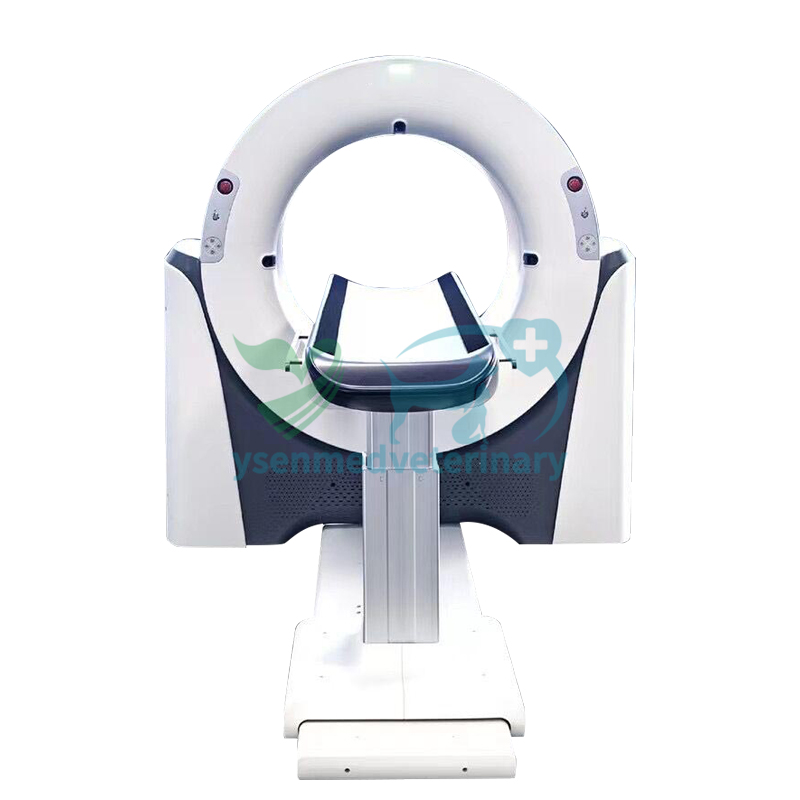
What is Cone Beam Computed Tomography (CBCT)?
CBCT is a specialized imaging technique that provides detailed 3D images of a pet's anatomy. Unlike traditional X-rays, which can only show flat images, CBCT captures a complete picture by rotating around the animal and taking multiple images from different angles. This technology is particularly useful for diagnosing issues in areas like the teeth, jaw, and even the inner ear.
Why is CBCT Important in Veterinary Medicine?
You might be wondering, "Why should I care about CBCT?" Well, imagine trying to solve a jigsaw puzzle with only a few pieces. That's what traditional imaging feels like compared to the comprehensive views provided by CBCT. With this technology, veterinarians can make more accurate diagnoses, leading to better treatment plans and improved outcomes for pets.
The Benefits of CBCT for Pets
1. Enhanced Diagnostic Accuracy
One of the standout benefits of CBCT is its ability to provide incredibly detailed images. This means that vets can spot issues that might be missed with standard imaging techniques. Whether it's a hidden dental problem or a complex bone fracture, CBCT gives a clearer picture of what's going on inside your pet.
2. Minimally Invasive Procedures
Thanks to CBCT, many diagnostic procedures can be performed with less invasiveness. This means less stress for your pet and quicker recovery times. For instance, if a vet suspects a dental issue, they can use CBCT to assess the situation without needing to perform extensive surgery right away.
3. Better Treatment Planning
With precise images at their disposal, veterinarians can plan treatments more effectively. For example, if a pet needs surgery, CBCT can help the surgeon understand the exact layout of the area they're working on, making the procedure smoother and safer.
4. Improved Monitoring of Conditions
CBCT isn't just useful for initial diagnoses; it's also great for monitoring ongoing conditions. Vets can take follow-up scans to see how a pet's condition is responding to treatment, allowing for adjustments as needed.
How Does CBCT Work?
The Technology Behind the Magic
At its core, CBCT works by using a cone-shaped X-ray beam to capture images. The machine rotates around the pet, taking multiple images in just a few seconds. These images are then processed using sophisticated software to create a 3D model of the area of interest. It's like having a virtual tour of your pet's insides!
The Process: What to Expect
If your pet needs a CBCT scan, you might be curious about what to expect. Here's a quick rundown:
1. Preparation: Your vet will explain the procedure and may ask you to withhold food for a few hours before the scan.
2. Sedation: Depending on your pet's temperament, they may need mild sedation to keep them calm during the scan.
3. Scanning: The actual scanning process is quick, usually taking only a few minutes.
4. Analysis: After the scan, the images are analyzed by the veterinarian, who will discuss the findings with you.
Applications of CBCT in Veterinary Medicine
1. Dental Imaging
CBCT is a game-changer in veterinary dentistry. It allows vets to see tooth roots, bone structures, and other critical details that are essential for diagnosing dental issues. This technology can help identify problems like abscesses or fractures that traditional X-rays might miss.
2. Orthopedic Evaluations
For pets with orthopedic issues, CBCT provides a clearer view of bones and joints. This is crucial for diagnosing conditions like arthritis, fractures, or developmental disorders. The detailed images help vets create targeted treatment plans to get your pet back on their paws.
3. Ear and Sinus Problems
CBCT is also effective for diagnosing issues in the ears and sinuses. Conditions like chronic ear infections or sinusitis can be challenging to assess with regular imaging. CBCT gives a comprehensive view, helping vets understand the underlying causes of these problems.
4. Tumor Detection
When it comes to detecting tumors, early diagnosis is key. CBCT can help spot tumors that may not be visible through other imaging methods. This allows for timely intervention, which can be critical for successful treatment.
The Future of Veterinary Care: CBCT and Beyond
Advancements on the Horizon
As technology continues to evolve, so does the potential for CBCT in veterinary medicine. Innovations in imaging software and techniques promise even more detailed images and faster processing times. This means that the future of pet care is looking brighter than ever!
Integrating CBCT with Other Technologies
Imagine combining CBCT with other diagnostic tools, like MRI or ultrasound. This integrated approach could provide an even more comprehensive view of a pet's health, leading to more accurate diagnoses and effective treatments.
Common Misconceptions About CBCT
"It's Just Like X-rays"
While CBCT uses X-ray technology, it's much more advanced. It provides 3D images, whereas traditional X-rays only offer flat views. This difference is crucial for accurate diagnoses.
"It's Too Expensive"
Many pet owners worry about the cost of advanced imaging techniques like CBCT. However, the investment can save money in the long run by preventing misdiagnoses and unnecessary treatments.
"Only Specialists Use CBCT"
While specialists often utilize CBCT, many general veterinary practices are adopting this technology. It's becoming more accessible, meaning your regular vet may soon offer CBCT services.
Conclusion: The Future of Pet Care is Here!
In a world where our pets are cherished members of the family, it's crucial to provide them with the best possible care. Veterinary Cone Beam Computed Tomography (CBCT) is a remarkable tool that enhances diagnostic accuracy, improves treatment planning, and ultimately leads to better health outcomes for our furry companions. As technology continues to advance, CBCT will play an increasingly vital role in veterinary medicine, ensuring that our pets receive the precise care they deserve. So, the next time you visit the vet, remember the magic of CBCT—it could make all the difference for your beloved pet!