When it comes to monitoring our health, especially in the context of respiratory issues, two terms often pop up: pulse oximeter and SpO2. While they are related, they are not interchangeable. Let's dive into the nitty-gritty of these terms and clarify their differences, applications, and significance in our health monitoring toolkit.
What is a Pulse Oximeter?
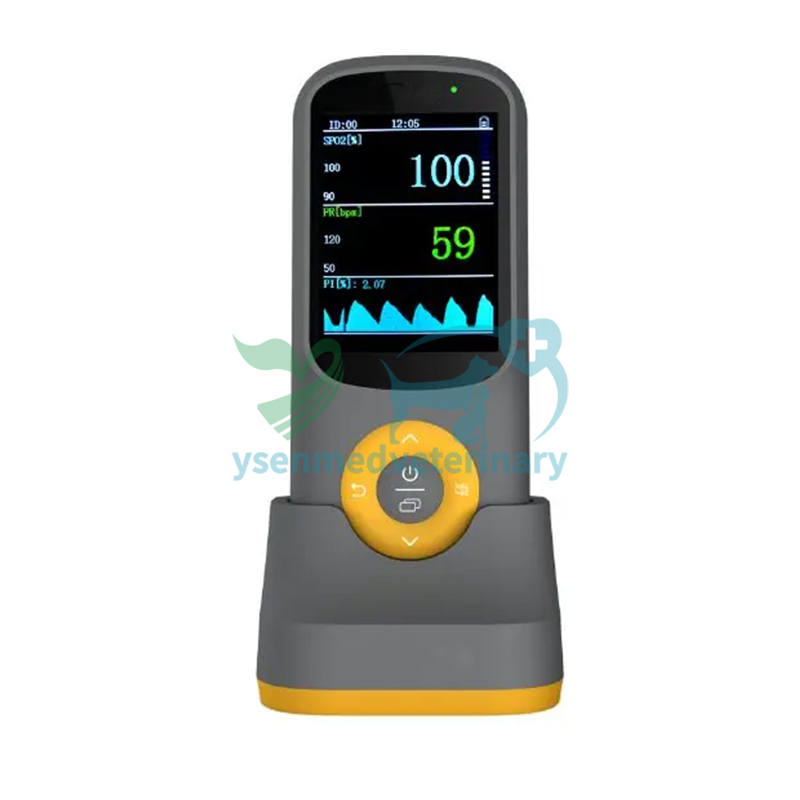
A pulse oximeter is a small, non-invasive device that measures the oxygen saturation level in your blood. You might have seen one of these gadgets clipped onto a person's finger at a doctor's office or during a hospital visit. It's a simple yet powerful tool that can provide critical information about your respiratory health.
How Does a Pulse Oximeter Work?
Curious about how this little device works? A pulse oximeter uses light sensors to measure the amount of oxygen in your blood. It shines two different wavelengths of light through your skin (usually your fingertip) and analyzes the light that passes through. The device then calculates the ratio of oxygenated to deoxygenated hemoglobin, giving you a reading of your blood's oxygen saturation.
Why Use a Pulse Oximeter?
Pulse oximeters are particularly useful for individuals with respiratory conditions, such as asthma, COPD, or COVID-19. They help monitor oxygen levels in real-time, enabling timely medical intervention if levels drop too low.
What is SpO2?
Defining SpO2
Now, let's talk about SpO2. This term stands for peripheral capillary oxygen saturation. In simpler terms, it refers to the percentage of oxygen-saturated hemoglobin in the blood compared to the total hemoglobin in the blood. So, when you see a SpO2 reading, it's essentially telling you how much oxygen your blood is carrying.
The Importance of SpO2 Readings
SpO2 readings are crucial for assessing how well your lungs are working. Normal SpO2 levels typically range from 95% to 100%. If your levels drop below this range, it could indicate a problem, such as respiratory distress or other health issues.
Pulse Oximeter vs. SpO2: The Key Differences
1. Device vs. Measurement
One of the most fundamental differences is that a pulse oximeter is the device used to measure oxygen saturation, while SpO2 is the measurement itself. Think of it like a thermometer (the device) measuring your body temperature (the measurement).
2. Functionality
A pulse oximeter provides real-time data on SpO2 levels. So, when you use a pulse oximeter, what you're really looking at is your SpO2 reading. It's like using a GPS to find out your location; the GPS is the tool, and your location is the information it provides.
3. Readings and Interpretation
While a pulse oximeter gives you a numerical SpO2 reading, it also often displays your heart rate. This dual functionality can be beneficial for monitoring overall cardiovascular health along with oxygen saturation.
How to Use a Pulse Oximeter
Step-by-Step Guide
Using a pulse oximeter is straightforward. Here's a quick guide:
1. Wash Your Hands: Always start with clean hands to avoid any interference with the reading.
2. Choose a Finger: Place the device on a finger, preferably the index or middle finger.
3. Stay Still: Keep your hand still while the device takes the reading. Movement can affect accuracy.
4. Wait for the Reading: In just a few seconds, the pulse oximeter will display your SpO2 level and heart rate.
Tips for Accurate Readings
- Avoid using nail polish or artificial nails, as they can interfere with the light sensor.
- Make sure your hands are warm; cold fingers can lead to inaccurate readings.
- If you have poor circulation, try using your earlobe instead of a finger.
When to Seek Medical Help
Recognizing Low SpO2 Levels
If your pulse oximeter shows SpO2 levels below 90%, it's time to seek medical attention. Symptoms like shortness of breath, confusion, or a rapid heart rate can also signal that something is wrong.
Chronic Conditions
For individuals with chronic respiratory conditions, regular monitoring of SpO2 levels is essential. If you notice a consistent drop in your readings, consult your healthcare provider immediately.
The Role of SpO2 in Health Monitoring
Tracking Respiratory Health
SpO2 levels are vital for monitoring respiratory health. They can help detect issues before they become severe, allowing for timely intervention. This is especially important for patients recovering from respiratory illnesses.
The Impact of High Altitude
Did you know that your SpO2 levels can be affected by altitude? At higher elevations, the oxygen levels in the air decrease, which can lead to lower SpO2 readings. If you're planning a trip to the mountains, it's a good idea to keep an eye on your levels.
Common Misconceptions
Pulse Oximeter = SpO2
One common misconception is that the pulse oximeter itself is the same as SpO2. While they are closely related, remember: the pulse oximeter is the tool, and SpO2 is the data it provides.
High SpO2 = Good Health
Another myth is that a high SpO2 reading always means good health. While normal levels are a good sign, it's essential to consider other factors like symptoms and overall health status.
Conclusion
In summary, understanding the difference between a pulse oximeter and SpO2 is crucial for effective health monitoring. A pulse oximeter is the device that provides you with the SpO2 reading, which indicates your blood's oxygen saturation level. Regular monitoring can help catch potential health issues early, especially for those with respiratory conditions.
So, the next time you see that little gadget clipped to someone's finger, you'll know it's not just a fancy accessory—it's a vital tool for keeping tabs on your health. Stay informed, stay healthy, and don't hesitate to seek help if those SpO2 levels start to dip!
FAQ
What is a normal SpO2 level?
A normal SpO2 level typically ranges from 95% to 100%. Levels below 90% are considered low and may indicate a need for medical attention. It's important to note that individual factors, such as altitude and pre-existing health conditions, can affect these readings.
How often should I use a pulse oximeter?
For individuals with chronic respiratory conditions, it's advisable to check SpO2 levels regularly, often several times a day or as recommended by a healthcare provider. For those without known conditions, using a pulse oximeter during periods of illness or when experiencing respiratory symptoms can be beneficial.
Can I trust the readings from a pulse oximeter?
Pulse oximeters are generally reliable, but several factors can affect their accuracy. Nail polish, poor circulation, and cold fingers can lead to incorrect readings. It's best to ensure proper conditions when taking a measurement and consult a healthcare professional if you have concerns about the accuracy of your device.