When you think about veterinary medicine, you might picture a cozy clinic filled with fluffy puppies and curious kittens. But behind the scenes, there's a lot more going on to ensure our furry friends receive the best care possible. One essential piece of equipment that plays a vital role in many veterinary procedures is the veterinary suction machine. If you've ever wondered what this device is, how it works, and why it's so important, you're in the right place!
Understanding Veterinary Suction Machines
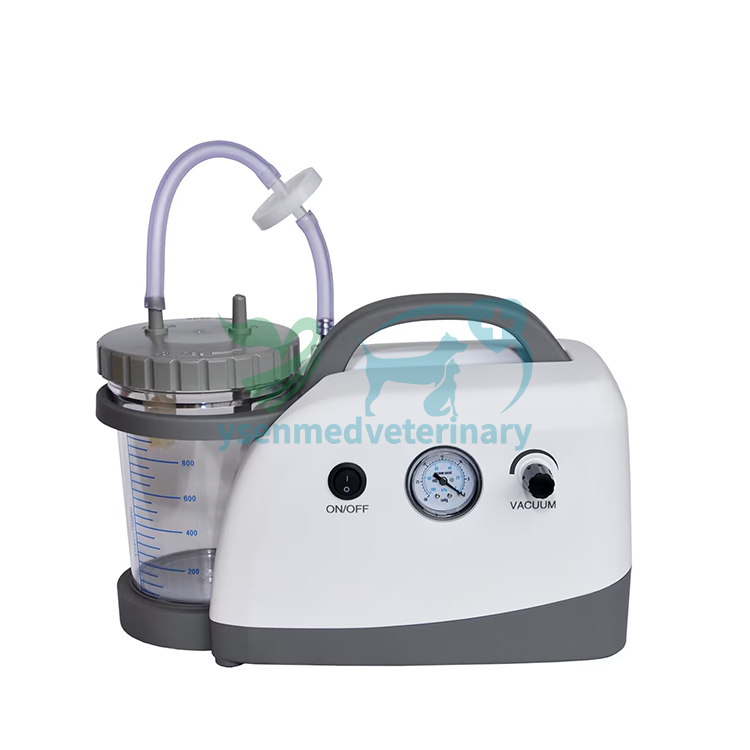
A veterinary suction machine is a specialized device designed to remove fluids, debris, and other materials from a patient's body during surgical procedures or medical treatments. Think of it as a high-tech vacuum cleaner, but instead of cleaning your living room, it's keeping your pet safe during surgery.
Why Do Veterinarians Use Suction Machines?
In veterinary medicine, cleanliness is crucial. During surgeries or procedures, blood, saliva, and other fluids can quickly accumulate, obstructing the veterinarian's view and making it difficult to operate. A suction machine helps keep the surgical area clear, allowing for a safer and more efficient procedure.
How Does a Veterinary Suction Machine Work?
The Components of a Suction Machine
A typical veterinary suction machine consists of several key components:
1. Suction Pump: This is the heart of the machine, creating the vacuum necessary to draw fluids.
2. Collection Canister: This is where the fluids are collected. It's usually transparent, so the veterinarian can easily monitor the amount of fluid being removed.
3. Tubing: Flexible tubes connect the suction pump to the collection canister and the suction tip.
4. Suction Tip: This is the end piece that the veterinarian uses to direct suction to the area needing cleaning.
The Suction Process
Using a veterinary suction machine is relatively straightforward. The veterinarian places the suction tip near the area of interest, activates the pump, and the machine begins to draw in fluids. The collected fluids flow into the canister, where they can be safely disposed of later.
Different Types of Veterinary Suction Machines
Portable vs. Stationary Models
Veterinary suction machines come in various sizes and types. Portable models are lightweight and easy to move, making them ideal for emergency situations or mobile clinics. On the other hand, stationary models are typically found in surgical suites and are designed for more extensive procedures.
Electric vs. Manual Suction Machines
While most veterinary suction machines are electric, there are also manual options available. Manual suction machines require the user to create suction by squeezing a bulb or pump, which can be beneficial in situations where electricity isn't available.
Applications of Veterinary Suction Machines
Surgical Procedures
One of the primary uses of suction machines is during surgical procedures. Whether it's a routine spay or a complex orthopedic surgery, keeping the surgical field clear of fluids is critical for the veterinarian's visibility and the patient's safety.
Emergency Situations
In emergencies, time is of the essence. A veterinary suction machine can quickly remove blood or other fluids from a wound, allowing veterinarians to assess and treat the injury more effectively.
Dental Procedures
Believe it or not, suction machines are also used in veterinary dentistry. When performing dental cleanings or extractions, veterinarians use suction to remove saliva and blood, ensuring a clear view of the teeth and gums.
Benefits of Using a Veterinary Suction Machine
Enhanced Visibility
One of the most significant advantages of using a suction machine is improved visibility during procedures. By keeping the area clear of fluids, veterinarians can work more efficiently and effectively.
Reduced Risk of Infection
By promptly removing fluids and debris, suction machines help reduce the risk of infection during and after surgical procedures. A clean environment is crucial for the healing process.
Increased Efficiency
With a suction machine in use, procedures can be completed more quickly. This efficiency not only benefits the veterinary team but also minimizes the time the patient spends under anesthesia.
Choosing the Right Veterinary Suction Machine
Considerations for Veterinarians
When selecting a suction machine, veterinarians should consider several factors:
1. Type of Procedures: Different procedures may require different suction capabilities. Understanding the needs of the practice is essential.
2. Portability: For clinics that do house calls, a portable model may be a better choice.
3. Budget: Like any medical equipment, suction machines come at various price points. Finding a balance between quality and cost is key.
Maintenance and Care
To ensure longevity and optimal performance, regular maintenance of the suction machine is essential. This includes cleaning the canisters, checking for clogs in the tubing, and ensuring the pump is functioning correctly.
Common Misconceptions About Veterinary Suction Machines
"They're Only for Surgeries"
While suction machines are commonly associated with surgeries, they're also used in many other scenarios, including diagnostics and emergency care.
"They're Too Complicated to Use"
In reality, most veterinary suction machines are user-friendly. With a little training, veterinary staff can quickly become proficient in their use.
Conclusion
In the world of veterinary medicine, a suction machine is more than just a tool; it's a lifesaver. By keeping surgical areas clear, enhancing visibility, and reducing the risk of infection, these machines play a crucial role in ensuring our pets receive the best care possible. Whether in a bustling clinic or during an emergency, a veterinary suction machine is an indispensable part of the veterinary toolkit.
So next time you take your furry friend to the vet, remember that behind the scenes, there's a whole team of professionals equipped with advanced tools, including suction machines, working hard to keep your pet healthy and happy!
FAQ
Are veterinary suction machines safe to use?
Yes, veterinary suction machines are designed with safety in mind. They are used by trained veterinary professionals who understand how to operate them correctly. When used properly, these machines are safe and effective tools that help ensure the health and safety of animal patients during procedures.
How often should a veterinary suction machine be maintained?
Regular maintenance is crucial for the optimal performance of a veterinary suction machine. It is recommended to inspect and clean the machine after each use, checking for clogs in the tubing and ensuring the collection canister is emptied. Additionally, a thorough check-up should be performed at least once a month to ensure all components are functioning correctly.
Can suction machines be used in emergency situations?
Absolutely! Veterinary suction machines are particularly valuable in emergency situations where time is critical. They can quickly remove blood or fluids from an injury, allowing veterinarians to assess and treat the condition more effectively, which can be lifesaving for the animal.