When it comes to our furry friends, their health and well-being are always a top priority. One topic that often comes up is the use of oxygen cages for dogs. If you've ever wondered how long your dog can safely stay in an oxygen cage, you're not alone. In this article, we'll explore everything you need to know about oxygen therapy for dogs, including the duration they can spend in these cages, the benefits, potential risks, and much more. So, grab a comfy seat and let's dive in!
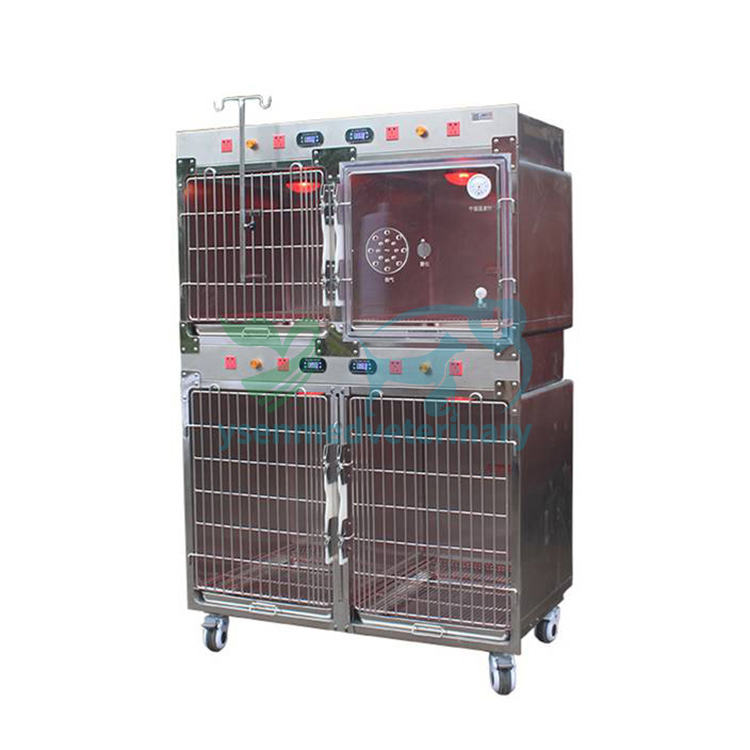
An oxygen cage is a specialized enclosure designed to provide a controlled environment with a higher concentration of oxygen. These cages are often used in veterinary clinics for dogs suffering from respiratory issues, such as pneumonia, asthma, or other conditions that make breathing difficult. The increased oxygen levels help improve lung function and overall health.
Why Would a Dog Need an Oxygen Cage?
Dogs may require oxygen therapy for several reasons:
- Respiratory Diseases: Conditions like kennel cough, pneumonia, or chronic bronchitis can hinder a dog's ability to breathe comfortably.
- Post-Surgery Recovery: After certain surgeries, dogs may need extra oxygen to aid in their recovery.
- High-Altitude Adaptation: Dogs traveling to high altitudes may experience difficulty breathing due to lower oxygen levels.
Understanding the reasons behind oxygen therapy can help you make informed decisions about your dog's health.
How Does Oxygen Therapy Work?
Oxygen therapy works by increasing the amount of oxygen available to the dog's lungs. This can help reduce the workload on the heart and improve overall oxygenation of the body. The oxygen is typically delivered through a mask or within the oxygen cage itself.
The Benefits of Oxygen Therapy for Dogs
1. Improved Breathing: Increased oxygen levels can relieve symptoms of respiratory distress.
2. Enhanced Recovery: Dogs recovering from surgery or illness may heal faster with supplemental oxygen.
3. Better Quality of Life: For dogs with chronic conditions, oxygen therapy can significantly improve their daily comfort and activity levels.
How Long Can a Dog Stay in an Oxygen Cage?
The duration a dog can safely stay in an oxygen cage varies based on several factors:
1. Veterinary Guidance
Always follow your veterinarian's recommendations regarding the duration of oxygen therapy. They will assess your dog's specific condition and determine the appropriate length of time.
2. Health Status
A dog's overall health plays a significant role in how long they can remain in an oxygen cage. For instance, a dog with severe respiratory issues may need longer sessions compared to a healthier dog.
3. Age and Size of the Dog
Younger dogs or smaller breeds may tolerate longer periods of oxygen therapy better than older or larger dogs. Always consider your dog's individual needs.
4. Frequency of Sessions
Instead of one long session, multiple shorter sessions may be more beneficial and less stressful for your dog. This approach can help prevent complications from prolonged exposure.
General Time Guidelines
On average, dogs can stay in an oxygen cage for 30 minutes to several hours at a time, depending on their needs and veterinary advice. Continuous use beyond 24 hours is typically not recommended without close supervision.
Signs Your Dog Needs More Oxygen
It's essential to monitor your dog while they are in an oxygen cage. Look for these signs that may indicate they need more oxygen:
- Increased Breathing Rate: If your dog is panting heavily or breathing rapidly, it may signal they need additional oxygen.
- Restlessness: Dogs that are uncomfortable or anxious may need a break from the cage.
- Coughing or Wheezing: These symptoms could indicate that the current oxygen levels are insufficient.
Potential Risks of Oxygen Therapy
While oxygen therapy can be beneficial, there are some risks to consider:
- Oxygen Toxicity: Prolonged exposure to high levels of oxygen can lead to toxicity, causing lung damage.
- Fire Hazard: Oxygen is flammable, so precautions must be taken to avoid fire risks in and around the cage.
-
Anxiety and Stress: Some dogs may feel anxious in the cage, leading to stress-related issues.
Tips for Using an Oxygen Cage Safely
To ensure your dog's safety while using an oxygen cage, keep these tips in mind:
1. Consult Your Vet: Always get professional advice before starting oxygen therapy.
2. Monitor Your Dog: Keep an eye on your dog's behavior and health during therapy.
3. Create a Comfortable Environment: Make the cage as comfortable as possible with bedding and familiar items.
4. Limit Distractions: Keep the area quiet to help your dog relax.
Alternatives to Oxygen Cages
If an oxygen cage isn't suitable for your dog, there are alternatives to consider:
- Oxygen Masks: These can provide targeted oxygen delivery for short periods.
- Nasal Cannulas: A less invasive option that delivers oxygen directly through the nostrils.
- Home Oxygen Therapy: Some pet owners opt for portable oxygen tanks for at-home treatment.
Understanding Your Dog's Needs
Every dog is unique, and their needs will vary. It's crucial to assess your dog's specific health situation and consult with your veterinarian to determine the best course of action.
When to Seek Veterinary Help
If you notice any concerning symptoms or if your dog's condition worsens, don't hesitate to contact your veterinarian. Early intervention can make a significant difference in your dog's recovery.
Conclusion
Oxygen therapy can be a lifesaver for dogs suffering from respiratory issues, but it's essential to understand how long they can safely stay in an oxygen cage. Always consult with your veterinarian to tailor the treatment to your dog's specific needs. By being informed and proactive, you can help your furry friend breathe easier and enjoy a better quality of life. Remember, your dog relies on you for their health and happiness, so stay vigilant and compassionate in your care.
FAQs
What is an oxygen cage and how does it work?
An oxygen cage is a specialized enclosure used in veterinary medicine to provide a controlled environment with a higher concentration of oxygen. It works by allowing dogs to breathe in oxygen-rich air, which helps improve their lung function and overall health. This therapy is particularly beneficial for dogs suffering from respiratory issues, as it can alleviate symptoms and support recovery.
How long can my dog safely stay in an oxygen cage?
The duration a dog can safely remain in an oxygen cage varies based on their health condition and veterinary advice. Generally, dogs can stay in the cage for about 30 minutes to several hours at a time. Continuous use beyond 24 hours is typically not recommended without close monitoring. Always consult your veterinarian for personalized recommendations.
What signs should I look for to know if my dog needs more oxygen?
While your dog is in an oxygen cage, watch for signs that may indicate they need more oxygen. These include increased breathing rate, restlessness, coughing, or wheezing. If you notice any of these symptoms, it's essential to contact your veterinarian for guidance, as they may need to adjust the therapy.