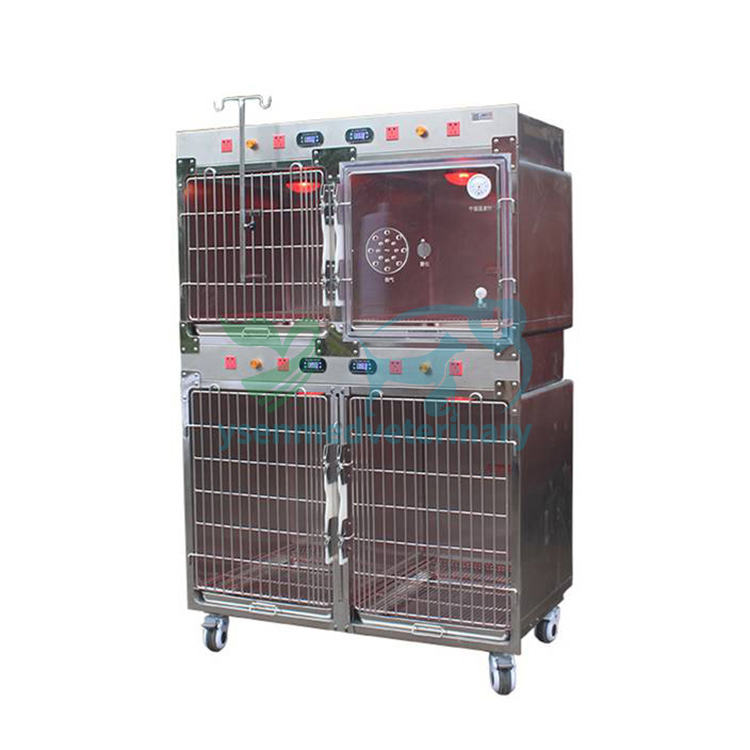
When it comes to caring for our furry friends, nothing is more important than their health and well-being. Just like us, pets can experience respiratory issues, especially if they have conditions like asthma, pneumonia, or other lung diseases. This is where the stainless steel pet oxygen cage comes into play. In this article, we'll explore what these cages are, their benefits, how they work, and why they might be a necessary addition to your pet care toolkit.
What is a Pet Oxygen Cage?
A pet oxygen cage is a specialized enclosure designed to deliver supplemental oxygen to pets in need. These cages are typically used in veterinary clinics but can also be beneficial for pet owners who want to provide at-home care for their animals. Made from durable materials like stainless steel, these cages are designed to withstand the rigors of daily use while providing a safe and comfortable environment for pets.
Why Stainless Steel?
Stainless steel is a popular choice for pet oxygen cages for several reasons:
- Durability: Stainless steel is resistant to rust and corrosion, making it ideal for long-term use.
- Ease of Cleaning: It can be easily sanitized, which is crucial for maintaining a healthy environment.
- Safety: Unlike plastic, stainless steel doesn't leach harmful chemicals, ensuring that your pet is safe while using the cage.
How Do Pet Oxygen Cages Work?
The Science Behind Oxygen Therapy
Oxygen therapy involves delivering oxygen at higher concentrations than what is present in the atmosphere. This can help improve oxygen levels in the blood and alleviate symptoms of respiratory distress. The cage is equipped with an oxygen source, which can be a tank or a concentrator, and a system to regulate the flow of oxygen.
Setting Up the Cage
Setting up a stainless steel pet oxygen cage typically involves:
1. Placing the Cage: Choose a quiet, comfortable location away from high traffic areas.
2. Connecting the Oxygen Source: Attach the oxygen supply to the cage according to the manufacturer's instructions.
3. Monitoring Levels: Use a pulse oximeter to monitor your pet's oxygen saturation levels during therapy.
Benefits of Using a Pet Oxygen Cage
Enhanced Breathing
One of the primary benefits of a pet oxygen cage is that it can significantly enhance your pet's breathing. By providing a concentrated oxygen supply, pets with respiratory issues can breathe easier and feel more comfortable.
Stress Reduction
Being in a familiar environment can reduce stress for pets. A stainless steel cage allows them to remain in a space they recognize, which can help calm their anxiety during treatment.
Improved Recovery Times
For pets recovering from surgery or severe illness, supplemental oxygen can speed up recovery times. By ensuring that their bodies receive the oxygen they need, pets can heal more quickly and effectively.
Who Can Benefit from a Pet Oxygen Cage?
Pets with Chronic Conditions
Animals suffering from chronic respiratory conditions like asthma, bronchitis, or congestive heart failure can greatly benefit from the use of an oxygen cage. These conditions often require ongoing management, and having an oxygen cage at home can make treatment easier.
Post-Surgical Recovery
After surgery, pets may experience temporary respiratory issues due to anesthesia or pain. An oxygen cage can provide the necessary support during this critical recovery period.
Emergency Situations
In emergencies, such as a severe allergic reaction or trauma, having access to an oxygen cage can be lifesaving. It allows for immediate treatment while you transport your pet to the vet.
Choosing the Right Pet Oxygen Cage
Size Matters
When selecting a stainless steel pet oxygen cage, size is crucial. Ensure that the cage is large enough for your pet to stand, turn around, and lie down comfortably. A cramped space can increase stress and hinder recovery.
Features to Look For
- Adjustable Oxygen Flow: Look for cages that allow you to control the oxygen flow rate.
- Ventilation: Proper ventilation is essential to prevent overheating and ensure your pet's comfort.
-
Portability: If you plan to travel or move the cage frequently, consider a lightweight model.
How to Use a Pet Oxygen Cage Effectively
Preparing Your Pet
Before introducing your pet to the oxygen cage, make sure they are comfortable. Allow them to explore the cage while it's off and reward them with treats to create a positive association.
Monitoring During Use
While your pet is in the cage, keep a close eye on them. Look for signs of distress, such as excessive panting or agitation. If your pet seems uncomfortable, adjust the oxygen flow or remove them from the cage if necessary.
Duration of Use
The duration your pet spends in the oxygen cage will depend on their condition. Always follow your veterinarian's recommendations regarding treatment times.
Common Misconceptions About Pet Oxygen Cages
Only for Severe Cases
Many people believe that oxygen cages are only necessary for severe respiratory issues. However, they can be beneficial for a range of conditions and situations, including routine management of chronic illnesses.
Complicated to Use
While there is a learning curve to using an oxygen cage, most models are user-friendly. With proper instructions and guidance from your veterinarian, you can easily manage your pet's oxygen therapy at home.
The Role of Veterinarians
Consultation is Key
Before purchasing or using a pet oxygen cage, it's essential to consult with your veterinarian. They can provide guidance on whether your pet needs oxygen therapy and how to use the cage effectively.
Ongoing Support
Your veterinarian can also offer ongoing support and adjustments to your pet's treatment plan as needed. Regular check-ins can help ensure that your pet is responding well to therapy.
Conclusion
A stainless steel pet oxygen cage can be a game-changer for pet owners dealing with respiratory issues in their furry friends. With its durability, ease of cleaning, and ability to provide essential oxygen therapy, it's a valuable tool in any pet care arsenal. Whether your pet has a chronic condition or is recovering from surgery, an oxygen cage can enhance their quality of life and speed up recovery times. Always consult with your veterinarian to determine the best course of action for your pet's health needs. Remember, a little extra care can go a long way in ensuring our pets lead happy, healthy lives!